Ear & Nose Piercing
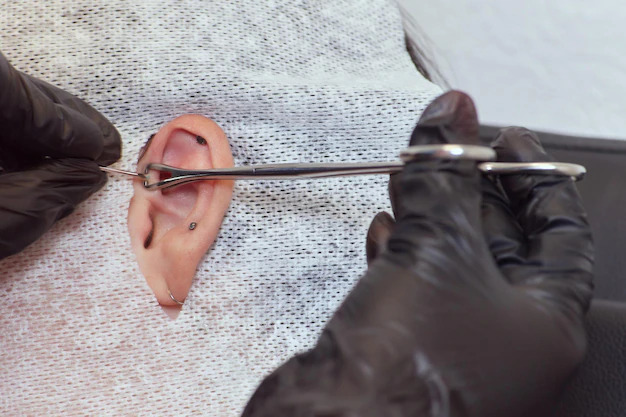
Even though getting one's ears pierced is quite frequent among both girls and boys, it doesn't necessarily guarantee success. Make that the process is carried out safely, using sterile tools and that you are aware of how to properly care for your new piercings at home.
Avoid getting new piercings.
Wait till your infant is older before getting their ears pierced to prevent a probable hospital stay and infection.
Ensure that sterile practices are followed
Some pediatrician offices offer piercing services, in which case you may trust that the space is clean and secure. Although state laws and licensing requirements differ, the individual doing the piercing should be skilled, use fresh disposable gloves, and utilize instruments that have been completely sanitized. Ask them about their sterilizing practices if you have any doubts. Instruments should either be cleaned with a disinfectant solution or heated-sterilized.
Pick the appropriate metals.
Choose hypoallergenic piercing earrings made of 14-, 18-, or 24-karat gold, sterling silver, or other hypoallergenic metals.
The likelihood of an allergic reaction to these metals is low. Keep in mind that nickel frequently causes allergic responses, so avoid wearing nickel when getting your ears pierced (ask the piercer if you are unsure).
Keep an eye on your fresh piercings.
Ask the piercer for advice on how to take care of the region and what to expect following the piercings. Immediately following the procedure, the skin around the piercings may become puffy, irritated, or red. Follow these suggestions to promote good healing and prevent infection:
Avoid touching the new piercings except when cleaning them.
Never touch your ears or earrings without first washing your hands with warm, soapy water.
Use alcohol and a cotton swab to thoroughly clean the region around the piercings (front and back) two to three times per day. Make sure the earring backing is in place while performing each of these cleanings, and then gently rotate the earrings.
Take care when brushing your hair, using the phone, or putting on headphones to avoid pulling or pushing on your piercings. Thus, a tear will be avoided.
To reduce the chance of infection, try to stay away from swimming in lakes, hot tubs, oceans, and pools while your piercings are healing.
Continue wearing your earrings for at least six weeks
For at least six weeks or for as long as the piercer advises, refrain from removing or switching out the earrings.
To prevent the holes from closing up when you can change the earrings (after the first six weeks), you'll probably need to use just post-earrings for six months after the piercing. This is due to the fact that it may take a few months for piercings to completely heal.
Keep an eye out for any infections.
If you have pain, redness, puss, or swelling more than 24 hours after obtaining a piercing, see your doctor for a check up and treatment.